
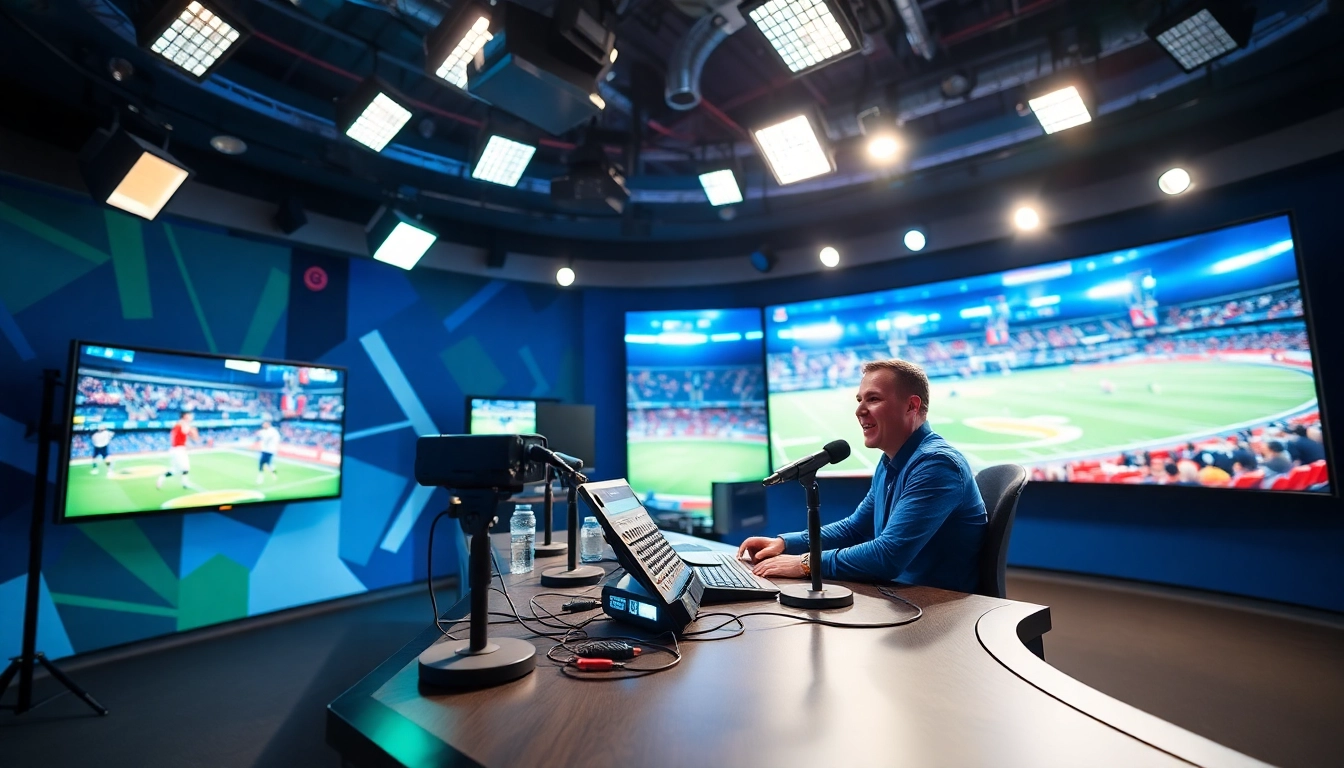
Introduction to Sports Broadcasting
What is Sports Broadcasting?
Sports Broadcasting refers to the dissemination of sporting events through various media platforms, including television, radio, and online streaming. This dynamic field not only captures the excitement of live games but also provides context and commentary, enhancing the viewer’s experience. Whether you’re watching a nail-biting finale of the FIFA World Cup or the Super Bowl, Sports Broadcasting plays a crucial role in engaging fans and creating an immersive atmosphere. The integration of technology and expert commentary helps in conveying the nuances of the game, making it accessible to audiences worldwide. You can learn more about Sports Broadcasting strategies and techniques at Sports Broadcasting.
The History and Evolution of Sports Broadcasting
The journey of Sports Broadcasting started in the early 20th century with radio broadcasts of baseball games. The introduction of television in the 1940s and 50s marked a significant turning point, allowing fans to experience the action visually. Over decades, broadcasting technologies have evolved from black-and-white broadcasts to high-definition and now ultra-high-definition streaming. The advent of satellite and cable revolutionized access to sports, enabling fans around the globe to watch their favorite events live. As technology continues to progress, we now experience the real-time sharing of sports content across various platforms, including social media, further intertwining sports and broadcast media.
Key Roles in Sports Broadcasting
Sports Broadcasting involves a variety of roles, each essential to delivering a comprehensive viewing experience. Key positions include:
- Play-by-Play Announcer: This role entails describing the action as it happens, providing play-by-play commentary to keep viewers up-to-date.
- Color Commentator: This commentator analyzes the game, providing insights, and context to enhance the viewers’ understanding.
- Producer: Responsible for the overall production of the broadcast, coordinating all elements to ensure a smooth flow of the show.
- Camera Operators: Capture the live action and nuances of the game from varied angles.
- Graphics Operator: Utilizes graphics to present statistics, player information, and game highlights in real-time.
Preparing for Sports Broadcasting
Researching the Game and Players
Effective Sports Broadcasting begins with thorough research. Announcers and commentators must familiarize themselves with the teams, players, and even historical contexts of the games. By understanding player stats, past performances, and current form, broadcasters can provide informative commentary. Furthermore, knowing the unique storylines—such as player rivalries, recovery from injuries, or historical significance—adds depth to the coverage. This research extends to understanding the rules and nuances of the sport itself, which is essential for accurate reporting.
Setting Up Your Broadcasting Equipment
Equipment setup is crucial for successful Sports Broadcasting. Key components include high-quality cameras, microphones, and broadcasting software. It’s vital to test equipment before the event, ensuring everything operates smoothly. The positioning of cameras plays a significant role in capturing the live action effectively. In addition, ensuring a strong and stable internet connection is essential for live streaming events, as interruptions can hamper viewer experiences.
Understanding Your Audience
Knowing your audience is fundamental in tailoring content during broadcasts. This involves recognizing demographics, preferences, and behaviors that define the viewership. For instance, certain sports attract younger audiences, while others may appeal to older demographics. Engaging with the audience through social media interactions and feedback can provide insights that refine commentary and broadcasting strategies further.
Delivering Compelling Sports Commentary
Techniques for Engaging Commentary
Engaging commentary holds the viewer’s attention and elevates the overall experience. Techniques include using vivid language to evoke excitement, employing effective pacing to match the tempo of the game, and integrating humor when appropriate. It’s also crucial to maintain clarity and conciseness; too much jargon can alienate viewers unfamiliar with the sport. Narration should build anticipation, highlighting significant moments while providing essential context.
Using Visuals and Graphics Effectively
Visuals and graphics are powerful tools in Sports Broadcasting. Utilizing infographics, statistics, and player profiles enhances storytelling and keeps the audience informed. For example, live graphics displaying score updates or player statistics can help viewers follow the game more easily. Integrating slow-motion replays can emphasize pivotal moments, fostering greater engagement and analysis during critical plays.
Creating a Unique Broadcasting Style
Establishing a unique style helps broadcasters stand out. Developing a signature tone, recognizable delivery, and a distinctive way of analyzing the game can cultivate a loyal audience. Incorporating personal anecdotes and engaging elements can create a relatable connection with viewers, making the commentary memorable.
Challenges in Sports Broadcasting
Handling Unexpected Events During Live Broadcasts
Live broadcasts are inherently unpredictable; unexpected events such as technical glitches, injuries, or weather changes can arise. Broadcasters must be adept at improvisation to maintain viewer interest and ensure seamless transitions. Having a robust backup plan and training staff to handle unforeseen circumstances can mitigate risks during live coverage.
Overcoming Technical Difficulties
Technical issues can disrupt broadcasts and frustrate audiences. Regular testing and maintenance of all equipment before live events can minimize such incidents. Broadcasters should also be trained in troubleshooting common issues swiftly. Establishing communication protocols during a broadcast allows for coordinated responses to technical challenges, preserving the integrity of the transmission.
Managing Audience Expectations
Setting and managing audience expectations is a vital component of Sports Broadcasting. Clear communication regarding schedule changes, broadcasting rights, and the nature of coverage helps in maintaining viewer trust. Engaging with the audience through social media or interactive platforms also allows broadcasters to gauge audience sentiment, adjusting their approach as needed.
Metrics and Innovations in Sports Broadcasting
Analyzing Audience Engagement Metrics
Measuring audience engagement is critical for understanding viewership trends and preferences. Metrics such as viewer counts, interaction rates on social media, and feedback statistics provide insights that inform future broadcasts. Utilizing tools such as Google Analytics allows broadcasters to analyze these metrics effectively and fine-tune their strategies. Listening to audience feedback and making adjustments can significantly enhance viewer satisfaction.
The Role of Social Media in Sports Broadcasting
Social media has revolutionized Sports Broadcasting. It serves as both a promotional tool and a platform for real-time fan engagement. Broadcasters now utilize platforms like Twitter, Instagram, and Facebook to share highlights, conduct polls, and interact directly with their audience. This creates a community around broadcasts, enhancing viewer loyalty and encouraging discussions, which reinforces the broadcast itself.
Future Trends in Sports Broadcasting
The landscape of Sports Broadcasting is continually evolving, with emerging technologies leading the way. Virtual reality (VR) and augmented reality (AR) are becoming increasingly integrated into broadcasts, allowing fans to experience events in immersive ways. Additionally, the rise of streaming platforms is reshaping traditional broadcasting, creating opportunities for interactive viewer experiences. As new technologies develop, broadcasters must adapt to these changes while maintaining high-quality content and viewer engagement.
Frequently Asked Questions
What qualifications are needed for a sports broadcaster?
A degree in journalism, communications, or a related field is often required. Experience in sports, broadcasting, and media training can enhance a broadcaster’s prospects.
How do sports broadcasters prepare for a game?
Preparation involves researching the teams, players, and statistics, as well as setting up equipment and understanding the audience’s preferences.
What is the role of social media in sports broadcasting?
Social media enhances engagement, serves as a platform for real-time updates, and fosters a community among fans, enriching their viewing experience.
How can I improve my sports commentary skills?
Improving commentary skills involves practicing voice modulation, preparing scripts, studying successful broadcasters, and receiving feedback from peers.
What are common challenges faced in sports broadcasting?
Broadcasters face technical difficulties, unexpected events during live broadcasts, and the pressure of managing audience expectations effectively.