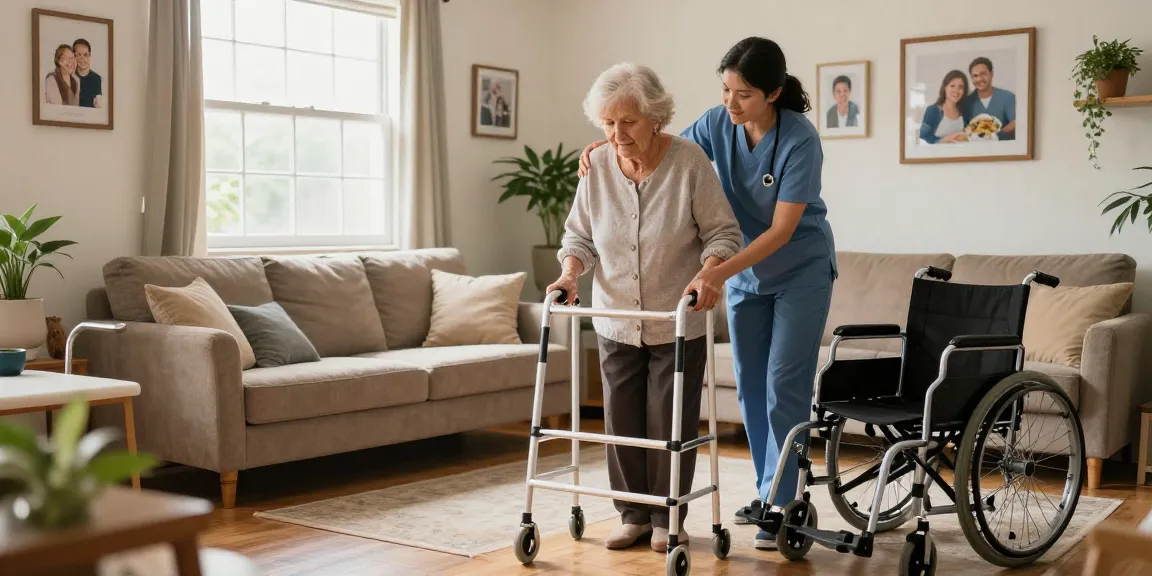
Understanding Mobility Aids
Mobility aids play a crucial role in enhancing the quality of life for those with limited movement, contributing to independence and improved daily functioning. As we delve into the topic of buy nobility aids, it’s essential to explore what mobility aids are, the various types available, and their myriad benefits to individuals of all ages.
What are Mobility Aids?
Mobility aids are devices designed to assist individuals with physical limitations, whether due to age, disability, or health conditions. These tools can help people navigate their environment safely and confidently. Examples include wheelchairs, walkers, canes, scooters, and stairlifts. These aids are tailored to meet the specific needs of users, allowing them to maintain mobility and independence.
Types of Mobility Aids Available
- Wheelchairs: Available in manual and electric configurations, wheelchairs offer essential mobility support for individuals unable to walk.
- Walkers: These provide stability and support for individuals who may be unsteady on their feet.
- Canes and Crutches: Ideal for those needing a little extra support while walking.
- Scooters: Electric scooters offer an excellent alternative for those who need assistance but wish to maintain an active lifestyle.
- Stairlifts: These are essential for those with difficulty navigating stairs, enhancing home accessibility.
Benefits of Using Mobility Aids
The advantages of using mobility aids are substantial and include:
- Enhanced Independence: Users can perform daily activities without relying on others.
- Improved Safety: Reduced risk of falls and injuries.
- Increased Participation: Encourages users to engage in social activities and community involvement.
- Better Health: Enables physical activity, which can improve overall health and well-being.
The Importance of Choosing the Right Mobility Aid
Selecting the appropriate mobility aid is a critical aspect of managing one’s mobility challenges. Individual needs vary widely, and a carefully considered choice can lead to significant improvements in quality of life.
Assessing Individual Needs and Limitations
Before purchasing a mobility aid, it’s vital to assess the individual’s mobility limitations, living situation, and personal preferences. Consider factors such as the degree of mobility impairment, physical strength, and the environments in which the mobility aid will be utilized.
Common Misconceptions about Mobility Aids
Many individuals have misconceptions about mobility aids, believing that they are only for the elderly or that using them signifies weakness. In reality, mobility aids are valuable resources for people of all ages and abilities. They are tools that promote independence and enhance quality of life.
Consulting with Healthcare Professionals
Engaging with healthcare professionals, such as physical therapists or occupational therapists, can be immensely helpful. They can provide personalized recommendations based on the individual’s specific needs and medical history, ensuring that the chosen mobility aid is the best fit.
Where to Buy Nobility Aids: Top Retailers and Online Options
When it comes to purchasing mobility aids, there are various avenues to explore, including local retailers and online marketplaces. Both options have their unique advantages, and understanding them can help you make an informed decision.
Comparing Retailers: In-Store vs. Online Purchases
In-store shopping allows individuals to test mobility aids, ensuring comfort and fit. On the other hand, online shopping offers convenience and often a wider selection. Websites like MobilityWorks and Amazon provide various mobility aids at competitive prices.
Benefits of Shopping Locally for Mobility Aids
Shopping locally provides several benefits, including personalized service, the ability to see and test products firsthand, and supporting local businesses. Local retailers often offer expert advice and immediate assistance regarding products.
Online Marketplaces: Tips for Safe Shopping
When purchasing mobility aids online, it’s crucial to shop from reputable websites. Ensure that the site has a secure checkout process, offer customer support, and provide detailed product descriptions and reviews. Look for sellers with easy return policies in case the product does not meet your needs.
Maximizing the Use of Mobility Aids at Home
Once a mobility aid has been acquired, ensuring it is utilized effectively within the home environment is essential for maximizing its benefits. Here are some strategies for safe and efficient use.
Tips for Safely Navigating Your Home Environment
Keep pathways clear of obstacles to prevent falls. Use non-slip mats for added grip, and ensure that furniture placement allows for easy movement. Consider the height of furniture and install grab bars in critical areas like bathrooms.
Home Modifications for Enhanced Accessibility
Making modifications to your home can significantly improve safety and accessibility. This may include:
- Installing ramps for wheelchair access.
- Using adjustable furniture to accommodate individuals using mobility aids.
- Creating an organization system for easy access to necessary items.
Best Practices for Training and Familiarization
Familiarizing oneself with the mobility aid is essential for safe use. Practicing in a controlled environment can help users become more comfortable and confident in their mobility. Training sessions with professionals can further enhance the user’s understanding and capability.
Future Trends in Mobility Aids for 2026 and Beyond
The mobility aid industry is evolving rapidly, with trends indicating significant advancements in technology and personalized solutions. Understanding these trends can help consumers and caregivers stay ahead of the curve.
Innovative Technologies Transforming Mobility Aids
Emerging technologies are revolutionizing mobility aids. Innovations such as smart wheelchairs with built-in navigation systems, app-controlled mobility devices, and enhanced robotics are making mobility aids more accessible and user-friendly.
Personalization and Customization in Mobility Solutions
As the industry grows, there’s a greater emphasis on personalization. Mobility aids that can be customized to fit an individual’s style, preferences, and needs will become more prevalent, allowing users to feel more in control and engaged in their mobility solutions.
Predictions for Mobility Aid Market Trends
The market for mobility aids is expected to witness significant growth. With an aging population and increasing awareness of disability rights, more individuals will seek mobility solutions. Expect to see growth in both traditional and innovative mobility aids, catering to diverse needs.
Can You Get Mobility Aids for Free?
It is possible to receive mobility aids at little to no cost through various programs. Many local and national organizations offer grants or loans for individuals in need. Always consult with your local health service or financial aid office for guidance on available resources.
What are the Different Types of Mobility Aids for Seniors?
Seniors typically benefit from a variety of mobility aids, including walkers, canes, electric scooters, and stairlifts. Each of these types provides essential support for maintaining independence, mitigated by the potential risks of falling.
How Do Mobility Aids Improve Quality of Life?
Mobility aids significantly enhance one’s quality of life by restoring independence, enabling social interactions, and promoting engagement in physical activities. This can lead to better mental health outcomes, improved mobility, and overall better well-being.
What Should I Consider Before Buying Mobility Aids?
Before purchasing mobility aids, consider individual needs, weight capacity, size, ease of use, and adjustability. Testing various models can help you select an option that provides the best comfort and convenience.
Are There Mobility Aids Specifically Designed for Home Use?
Yes, there are several mobility aids specifically designed for home environments, such as bathroom grab bars, shower chairs, and low-profile walkers. These options facilitate safe navigation and independence within the home.